
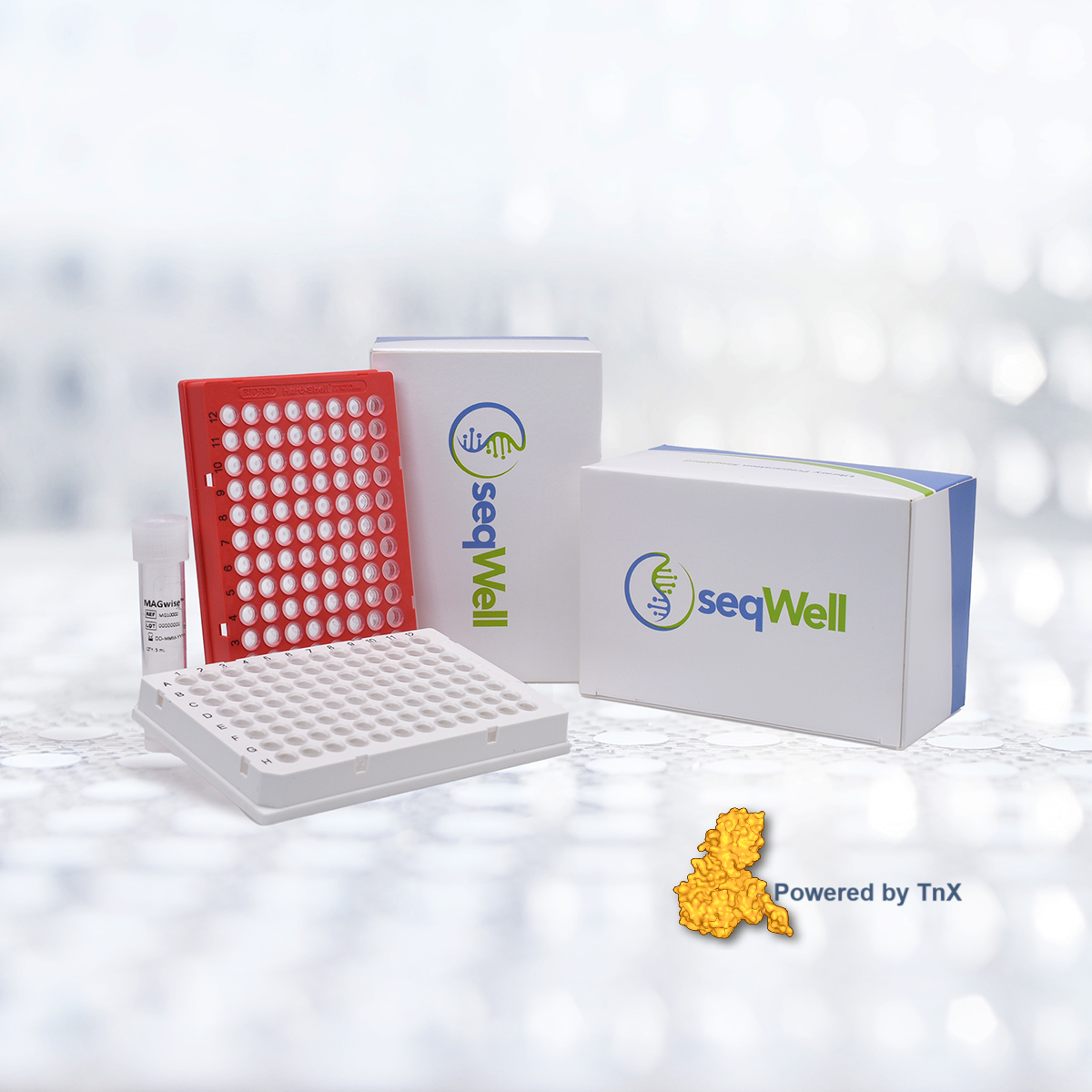
ExpressPlex™ 2.0 Library Prep Kit
ExpressPlex 2.0: Workflow simplicity plus the performance of TnX for high throughput plasmid and amplicon sequencing.
- Reduced insertion bias and improved coverage uniformity
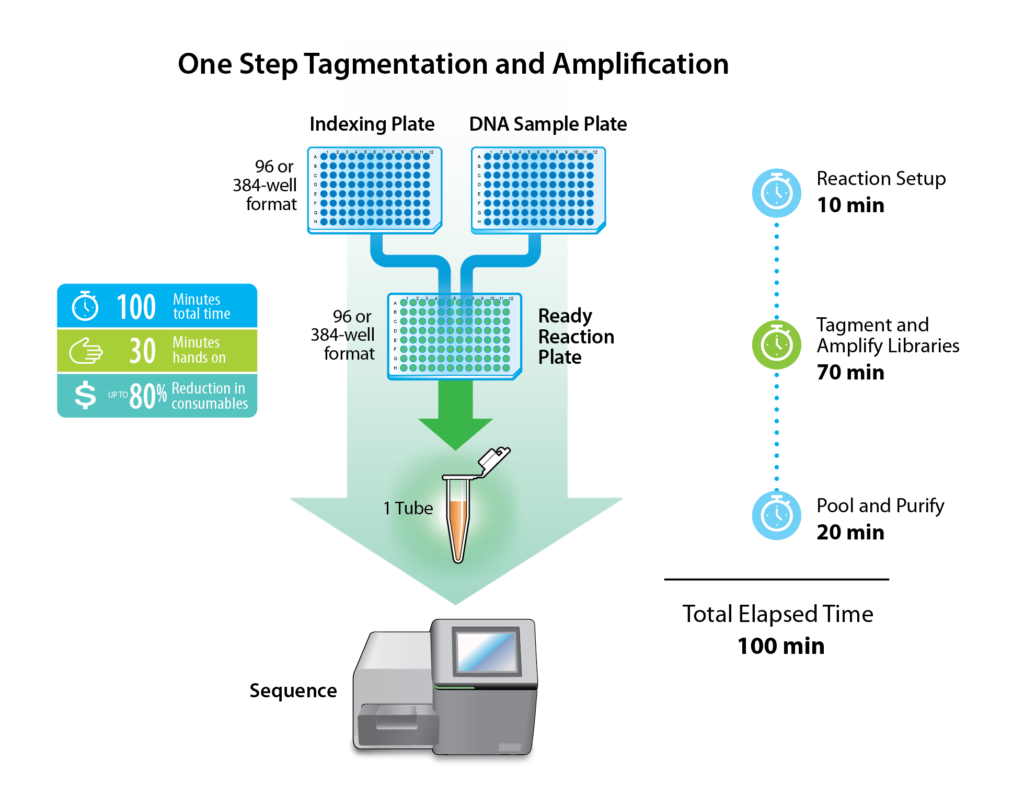
- One-step fragmentation, barcoding, and amplification
- Auto-normalization (5 – 40 ng DNA input)
- 96- or 384-well plate format
- Up to 6144 index combinations
We’ve unleashed TnX, our next generation transposase, in ExpressPlex 2.0 – a library prep kit that changes your NGS workflow forever!
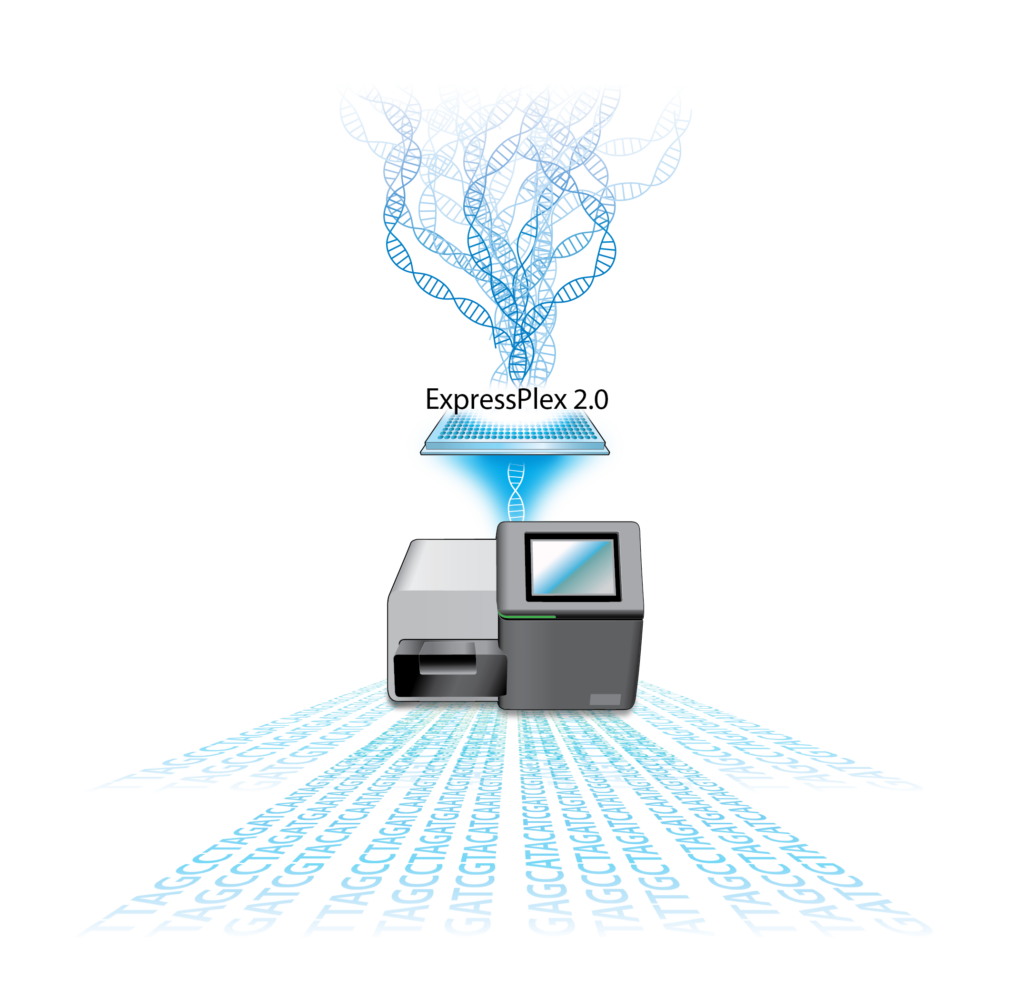
ExpressPlex 2.0 is an automation-friendly, one-step library prep powered by TnX to reduce bias and improve coverage uniformity using a highly streamlined workflow for sequencing synthetic constructs like plasmids & amplicons.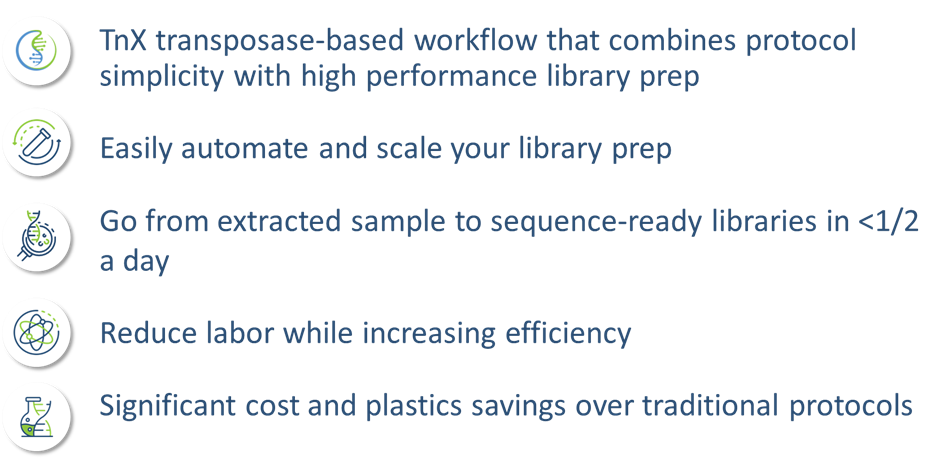
ExpressPlex Workflow
Is your Library Prep Workflow Holding you Back?
Read our Blog to Understand the Full Benefits of ExpressPlex Scalable Simplicity
Hidden Savings. Clear Value.
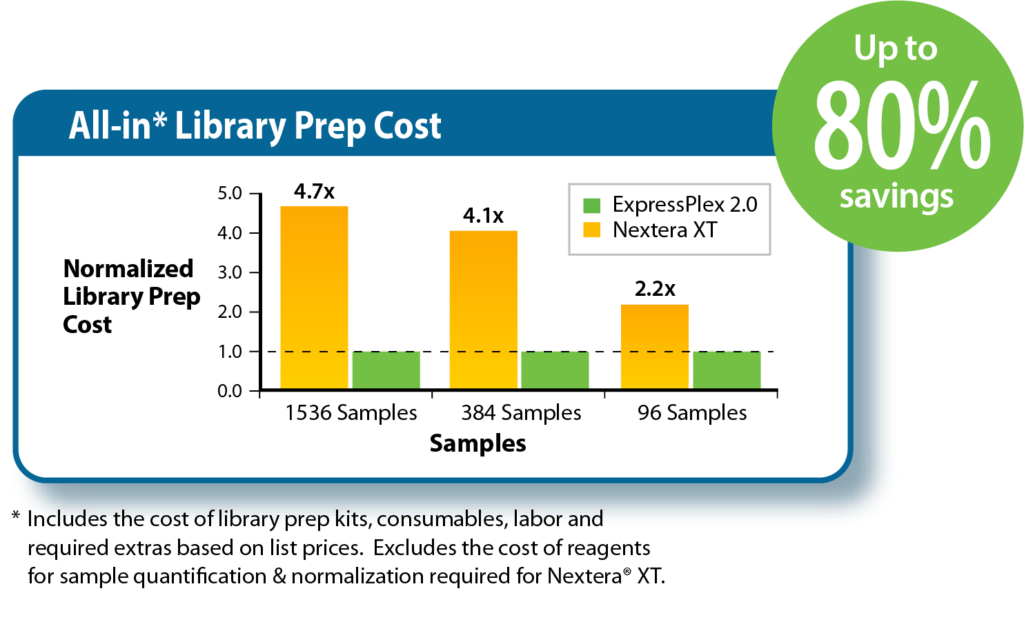
How is this possible?
-
65% faster workflow
-
> 90% labor savings
-
> 90% consumables saving
-
Massive multiplexing
-
Indexes & purification beads included in kit
TnX: Transposase Engineered for Reduced Insertion Bias
Better transposase = better sequencing. Take your plasmid and amplicon screening to the next level!
ExpressPlex 2.0 is the only library prep kit powered by TnX! TnX was engineered to reduce insertional bias to improve uniformity of coverage. When directly compared to a Tn5-based competitor library prep kit for sequencing of 2 different plasmids, ExpressPlex 2.0 produced significantly lower CVs and range of coverage (max/min).
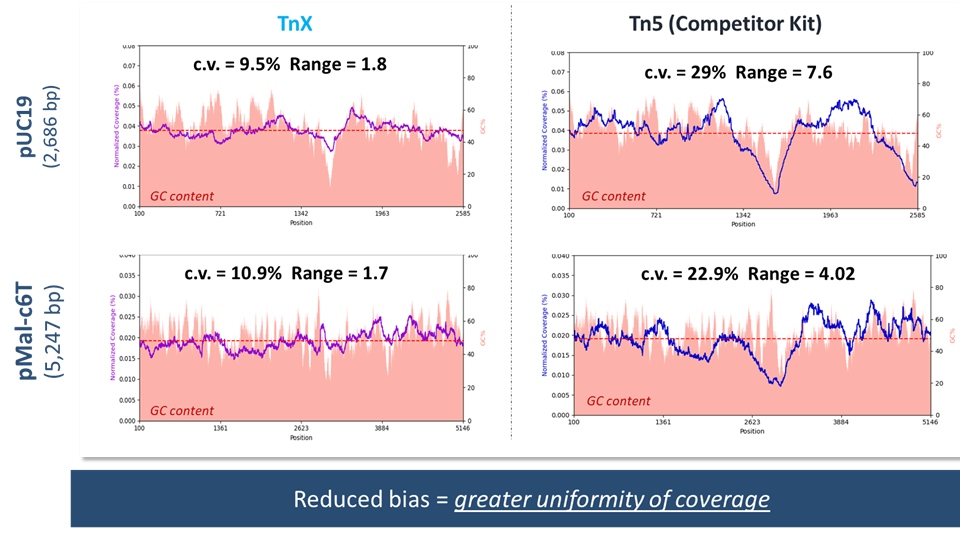
Library preparation for pUC19 and pMal-c67 was conducted using ExpressPlex 2.0 kit and a Tn5-based competitor kit using standard manufacturers’ protocols. Libraries were sequenced using an Illumina MiSeq.
Simplified Workflow With Auto-Normalization
Auto-Normalization of Read Depth
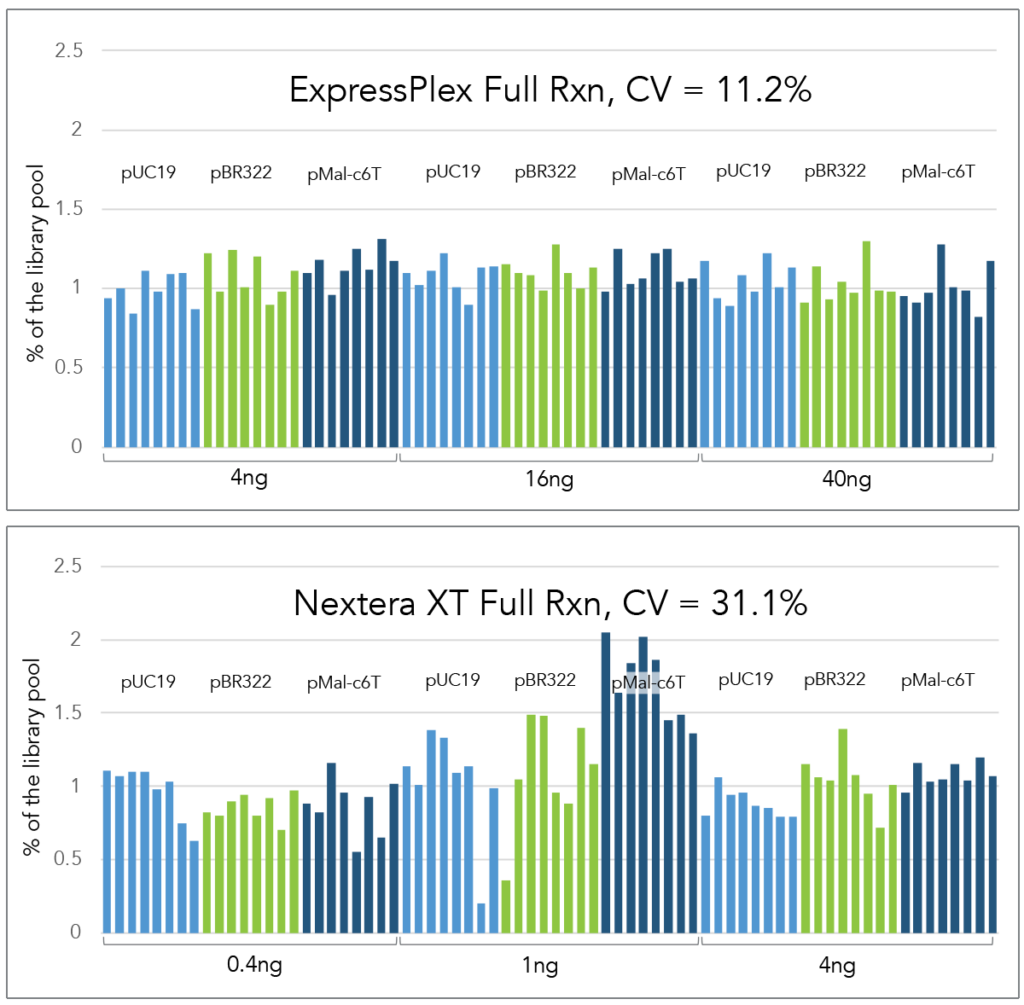
ExpressPlex demonstrates significantly higher levels of normalization compared to competitors, enabling a simplified workflow where individual normalization is no longer required to achieve more consistent read-depths across samples.
Libraries were prepared from three different reference plasmids of varying sizes across a 10-fold input range at full reaction volume for ExpressPlex (16 µL) and Nextera XT (50 µL).
For each method, inputs ranged from 4-40 ng for ExpressPlex (standard input is 16 ng) and 0.4 – 4ng for Nextera XT (standard input is 1 ng).
Auto-Normalization of Insert Size
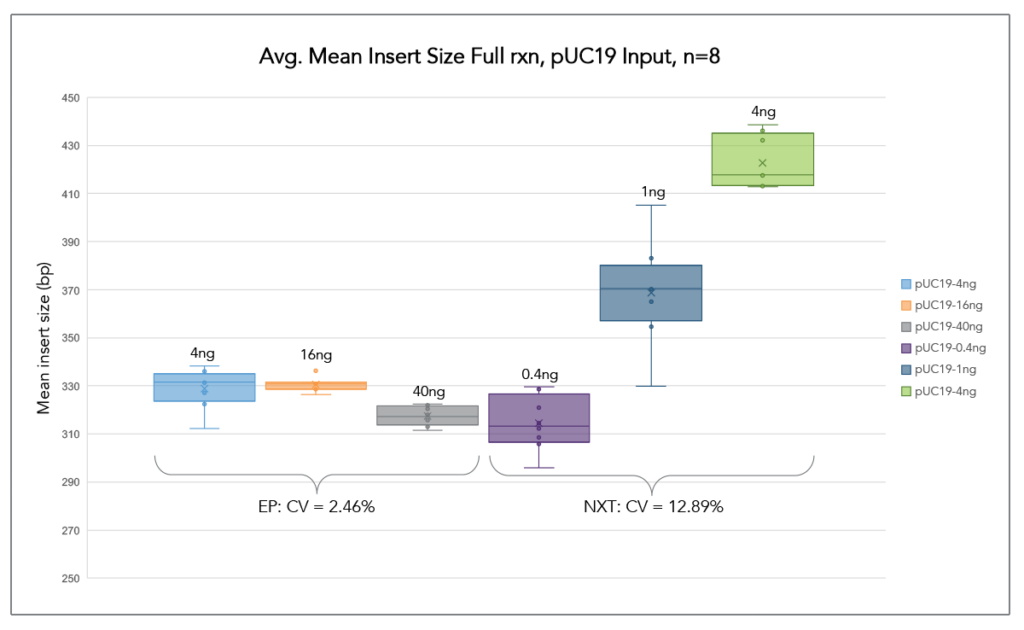
ExpressPlex generates highly consistent library insert sizes over a broad range of DNA inputs. Libraries from pUC19 plasmid DNA were simultaneously prepared at 3 different input amounts (n=8 each input amount). ExpressPlex demonstrated greater consistency in average insert size across a 10-fold range. In each case, the standard input for both kits (16ng for ExpressPlex, 1ng for Nextera XT) was also included as a mid-range data point.
Recorded Webinar | Octant Bio
The game-changing capabilities enabled by the ExpressPlex workflow were highlighted in a webinar collaboration with the synthetic biology team from Octant Bio, a drug discovery company located in Emeryville, CA. Octant’s Henry Chan, PhD (Synthetic Biology Lead) and Bryan Jiang (Research Associate) discussed the application of ExpressPlex to OCTOPUS, the high-throughput plasmid sequencing platform that powers Octant’s therapeutic discovery platform. Watch the video to discover how ExpressPlex has dramatically improved OCTOPUS and accelerated their overall discovery process.
Don’t let library prep be your bottleneck
Harness ExpressPlex miniaturization, multiplexing, and automation compatibility to turn your benchtop sequencer into a cost-effective sequencing factory. Streamline your end-to-end workflow further by eliminating plasmid purification using colony PCR or rolling circle amplification (RCA).
• Colony-to-sequence data in <24 hours
• Up to 6144 unique indexes
• 96-, 384- and bulk reagent formats available
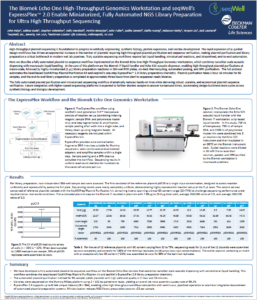
The Biomek Echo One High-Throughput Genomics Workstation and seqWell’s ExpressPlex™ 2.0 Enable Miniaturized, Fully Automated NGS Library Preparation for Ultra High Throughput Sequencing
Recover More Data From Your Sequencing
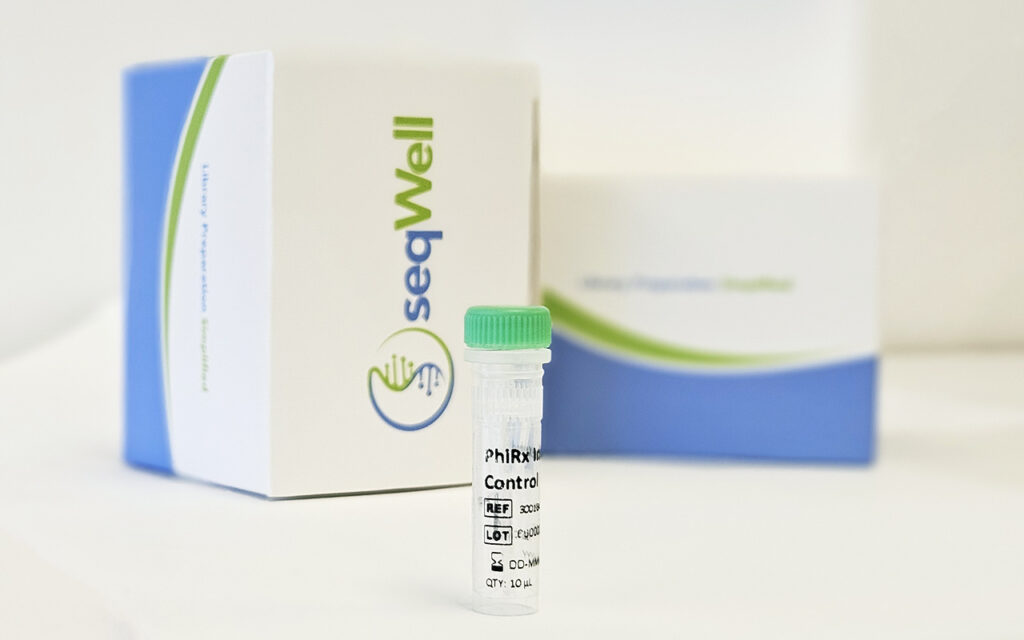
Simply spike-in PhiRx™ to increase your index color-balancing!
PhiRx Indexed Control NOW included with every ExpressPlex Library Prep Kit
APPLICATION NOTE
Advances in Plasmid Verification: The Role of NGS in Identity & Clonality Testing.
This application note compares ‘gold-standard’ Sanger sequencing with next-generation sequencing (NGS) for plasmid QC focusing on their strengths, weaknesses, and performance metrics particularly for detecting contaminant constructs that can arise from co-transformation events.
Improving Sustainability Through Streamlined Protocols
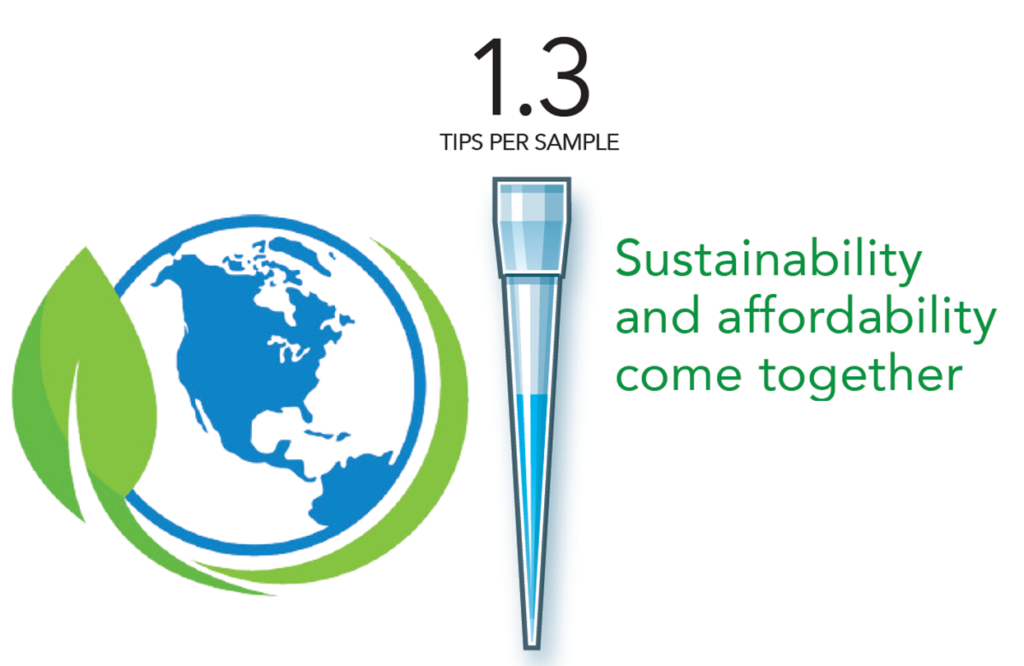
The automation-friendly ExpressPlex one-step tagmentation workflow enables a >80% reduction in tips/plastics usage. We help drive sustainability not only in our internal sequencing services pipeline, but for our customers across the globe.
Listen to an interview with Jack Leonard, seqWell’s co-founder and CTO, as he discusses addressing increased sustainability within the world of synthetic biology on sptlabtech’s “labtech unplugged” podcast.

Are you in need of bulk-dispensed product for your miniaturized reactions?
ExpressPlex 2.0 Specifications
| Primary Applications | Plasmid & amplicon sequencing |
| Sample Input types | Purified plasmid DNA, RCA-amplified DNA, amplicons >350bp, and colony PCR amplicons |
| Transposase | TnX – Next generation engineered transposase |
| Kit format |
|
| DNA Input Recommended | 96-well format:
384-well format:
|
| Total Library Prep Time | 100 minutes (30 minutes hands-on time) |
| Indexing Method | Combinatorial Dual Indexing |
| Number of Unique Index Combinations | Up to 6144 |
| Batch Size |
|
| Output Fragment Range* | 400 – 1,200bp |
| Number of PCR Cycles |
|
| Sequencer Compatibility |
|
* Fragment size will depend on magnetic bead cleanup ratios used.
ExpressPlex 2.0 Library Prep Kit Includes:
- Indexing Reaction Plate(s)
- Ready Reaction Mix Plate(s)
- MAGwise Paramagnetic Beads
- PhiRx Indexed Control
- Users do not need to supply polymerase, primers, or barcodes. These are contained within the supplied ready reaction mix.