
Harnessing Scalable NGS for Accelerated Antibody Development
Sequence more. Learn faster. Build better antibodies.
seqWell scalable library prep solutions accelerate it all.
FIND THE RIGHT ANTIBODIES

Identify and track antibody clones from repertoires and screening libraries
IMPROVE THEM
Optimize variants through mutational analysis and enrichment profiling
De-RISK THEM
Assess liabilities, stability, and candidate quality
PRODUCE THEM
Verify sequence integrity and monitor consistency
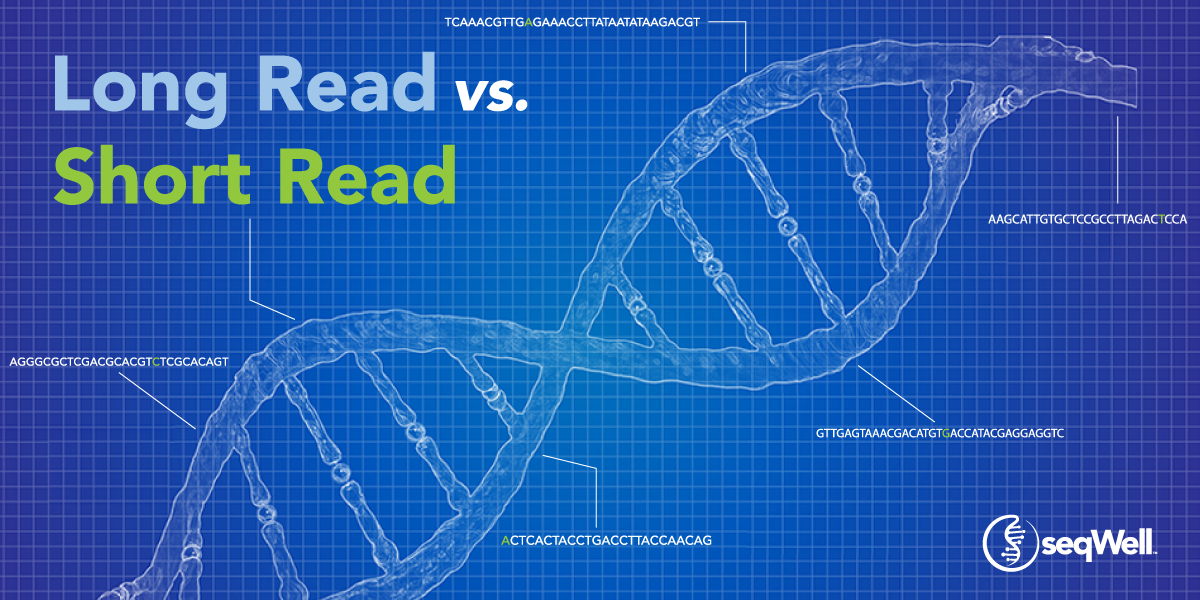
SHORT-READ & LONG-READ Sequencing Solutions
Harness NGS at the speed, scale, and affordability modern antibody development demands. seqWell workflows rely on tagmentation-based DNA fragmentation & barcoding with unmatched multiplexing to identify and bring the best antibody candidates to market, faster.
ExpressPlex 2.0 Library Preparation Kit – a scalable, one-step library prep workflow that transforms short-read NGS from a bottleneck into an essential tool
LongPlex Multiplexing Kit – combines high-throughput multiplexing with PacBio long-read sequencing to deliver unique antibody insights at scale
RECORDED WEBINAR
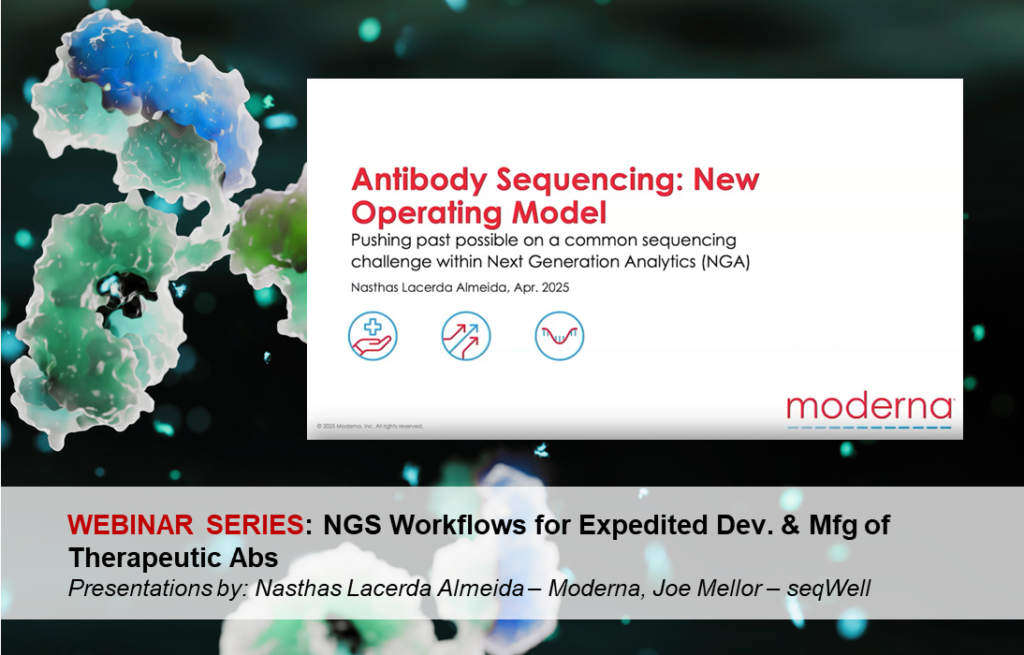
Moderna presentation – Antibody Sequencing: New Operating Model
In this presentation, Nasthas Lacerda Almeida from Moderna, highlights how her organization has leveraged ExpressPlex™ 2.0 for a clonal antibody sequencing approach, optimized for speed and scalability using de novo assembly of NGS short reads.
APPLICATION NOTE
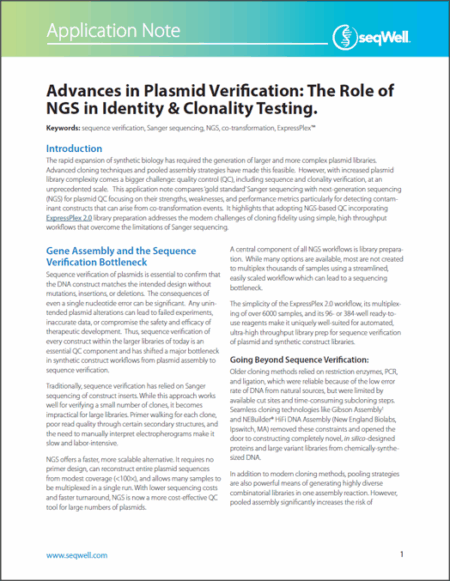
Advances in Plasmid Verification: The Role of NGS in Identity & Clonality Testing.
This application note compares ‘gold-standard’ Sanger sequencing with next-generation sequencing (NGS) for plasmid QC focusing on their strengths, weaknesses, and performance metrics particularly for detecting contaminant constructs that can arise from co-transformation events.
Learn More With These Blogs